
Dian Fossey and Rwanda's Mountain Gorillas: The Story Behind Volcanoes National Park
August 21, 2026
If you've searched "Dian Fossey" while researching a Rwanda trip, you've stumbled onto the single most important reason mountain gorillas still exist to be seen at all. Dian Fossey was the American zoologist who, starting in 1967, set up the Karisoke Research Center in the saddle between Mount Karisimbi and Mount Bisoke — right inside what is now Volcanoes National Park, the same park every gorilla trekking permit is issued for today.
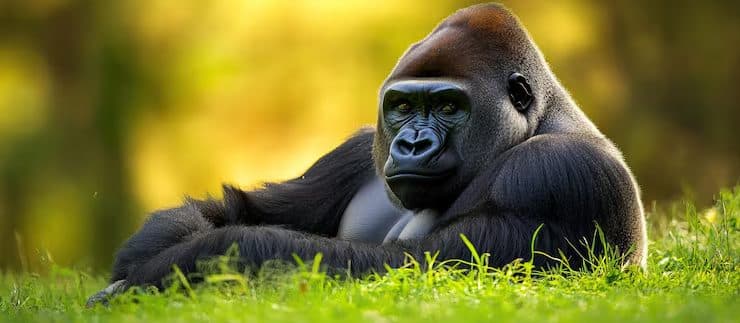
When Fossey arrived, mountain gorillas were being poached and pushed out of their habitat at a pace that put them on a clear path to extinction — population estimates from that era put the entire remaining mountain gorilla population at a few hundred individuals across the whole Virunga region. She spent nearly two decades living alongside gorilla families, documenting their behavior in far more detail than had ever existed before, and — more consequentially — actively fighting the poaching that was wiping them out, through anti-poaching patrols she organized and funded herself.
Her book, "Gorillas in the Mist," and the research she published turned mountain gorillas from an obscure, poorly understood species into one of the most recognized conservation stories in the world. That visibility mattered. It's a direct line from Fossey's work to the fact that mountain gorillas are now the only great ape species with a growing population — largely credited to the conservation model her research helped establish, combined with Rwanda's decision to fund that conservation through regulated, permit-based tourism.
That's the part most travelers don't realize when they book a gorilla trek: the USD 1,500 permit fee isn't just an entry ticket. A significant share of it funds the park rangers, anti-poaching patrols, and veterinary monitoring that carry on the exact work Fossey started — plus a revenue-sharing program that channels park income back into the communities bordering Volcanoes National Park, which gives local communities a direct financial stake in the gorillas surviving rather than being poached.
Fossey is buried at Karisoke, in the gorilla graveyard she established, next to Digit — a gorilla she was especially close to, killed by poachers in 1978, whose death is what pushed her from research into full-time activism. Some multi-day itineraries in Volcanoes National Park include a hike to the Karisoke Research Center site and her grave as an add-on to gorilla trekking, for travelers who want to see where this story actually happened, not just read about it.
None of this is background trivia you need to know before trekking — the gorillas you'll see are simply there, healthy and habituated, because of decades of continuous protection work. But understanding it changes what the permit fee means. You're not paying for an hour with the gorillas. You're funding the same conservation infrastructure Fossey built the first version of, which is the reason there's still a mountain gorilla population left to protect at all.
If this is what brought you here, the practical next step is straightforward: gorilla trekking in Volcanoes National Park is included in several of our Rwanda tour packages, starting from a 2-day gorilla-and-Akagera trip through to longer, fully private circuits. Every package includes the permit, a private vehicle and driver-guide, and full-board accommodation — browse our gorilla trekking packages to see itineraries and pricing, or message us on WhatsApp with your travel dates and we'll put together a plan.
Ready to plan your Rwanda trip?
Get a free, tailored quote from our Kigali-based tour team.
Get a Free Quote